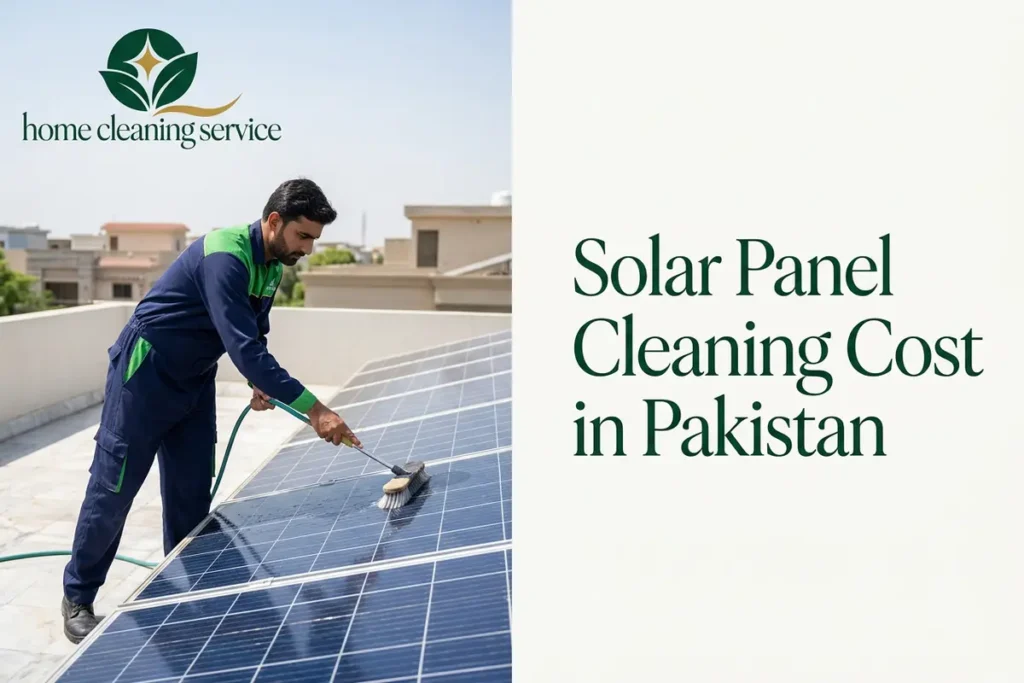
Solar panels installed on factory roofs and warehouses can collect dust, bird droppings, industrial particles, and other debris over time. In Lahore, these conditions can make regular solar panel maintenance an important part of managing a commercial solar system.
Many factories and warehouses have large rooftop installations with dozens or hundreds of panels. Cleaning and checking these systems requires more planning than maintaining a small residential installation.
A layer of dust may not always be easy to notice from the ground. However, dirt covering the panel surface can reduce the amount of sunlight reaching the solar cells. Bird droppings, leaves, and other stubborn deposits can also create cleaning challenges.
For businesses, proper maintenance helps keep solar panels in good working condition and makes it easier to identify problems before they become serious.
This guide explains how factories and warehouses in Lahore can maintain their solar panels, when professional cleaning may be needed, and what facility managers should check during routine maintenance.
Why Solar Panel Maintenance Matters for Factories and Warehouses
Commercial solar installations are often designed to support daily electricity requirements. Some factories use solar energy for machinery, lighting, ventilation, and other operations. Warehouses may use it for lighting, cooling systems, and general electrical equipment.
When panels remain dirty for long periods, accumulated material can block sunlight. This may affect energy production, although the actual impact depends on the amount and type of dirt, weather conditions, panel design, and system configuration.
Regular maintenance helps businesses:
- Keep panel surfaces free from excessive dirt and debris.
- Identify visible damage and loose components.
- Monitor changes in electricity production.
- Reduce the risk of drainage and roof-related problems.
- Maintain a cleaner and more organised solar installation.
- Identify maintenance requirements before they affect normal operations.
Maintenance is not limited to washing panels. It also includes monitoring system performance, checking visible components, and arranging professional inspections when needed.
Common Problems Affecting Factory and Warehouse Solar Panels in Lahore
Lahore has different environmental conditions throughout the year. Dust, dry weather, seasonal rain, bird activity, and nearby industrial operations can all affect rooftop solar installations.
Here are some common problems that commercial property owners should understand.
1. Dust and Industrial Particles
Dust is one of the most common reasons solar panels need cleaning in Lahore. Factories located near busy roads, construction sites, industrial areas, and open spaces may experience more airborne dust than buildings in quieter locations.
Warehouses can also collect dust because of nearby vehicle movement, loading areas, and uncovered surroundings. Over time, these particles settle on the glass surface of solar panels. Rain may remove some loose dust, but it does not always clean the entire surface.
What businesses should do:
Inspect the panels regularly, especially after long dry periods. If a visible layer of dust develops, arrange cleaning based on the system's condition and the manufacturer's recommendations.
2. Bird Droppings and Stubborn Stains
Bird droppings can stick to solar panel glass and become difficult to remove after drying. Unlike loose dust, these deposits may remain in one place even after rainfall. Leaves, tree sap, and other organic material can also collect on the surface.
Heavy or uneven deposits may block sunlight from reaching certain areas of a panel. Avoid scraping dried material with hard objects. This can scratch the glass or damage its protective surface. Use suitable cleaning methods and soft equipment recommended for solar panels.
3. Rainwater Marks and Mineral Deposits
Rain can help remove loose dirt, but it is not a replacement for proper solar panel cleaning in Lahore. In some cases, water evaporates and leaves mineral deposits or visible marks behind. These deposits may become more noticeable when panels are not cleaned for an extended period.
Hard water can create similar problems when used for manual washing. For commercial solar installations, water quality matters. Deionised or otherwise suitable low-mineral water is often preferred because it reduces the risk of mineral spotting.
4. Leaves and Debris Around Rooftop Panels
Some factories and warehouses have trees or nearby structures that allow leaves and other debris to collect around rooftop solar installations. This material may block drainage channels or accumulate near panel frames.
Leaves can also trap moisture and dirt in certain areas. Facility managers should check the surrounding roof area and ensure that drainage paths remain clear. Any work near electrical equipment or rooftop installations should be handled by trained personnel.
5. Pollution and Nearby Industrial Activity
Factories operating near roads, industrial estates, and construction zones may experience additional surface contamination. Fine particles can settle on panels along with general dust. Depending on the industrial activity, other deposits may also be present. In these situations, cleaning requirements may differ from those of a residential solar system. A suitable maintenance schedule should consider the location, surrounding activities, panel angle, weather, and actual dirt accumulation.
How Often Should Factories and Warehouses Clean Their Solar Panels?
There is no single cleaning schedule that works for every commercial solar installation. A warehouse near an open dusty road may need more frequent cleaning than a factory in a relatively clean environment. Similarly, a rooftop system with a steeper panel angle may shed some dirt more easily than a low-angle installation.
Businesses should consider the following factors:
| Condition | Maintenance Consideration |
|---|---|
| High dust exposure | Inspect more frequently. |
| Nearby construction | Check for additional dust deposits. |
| Heavy bird activity | Remove stubborn droppings when required. |
| Long dry periods | Monitor visible dust accumulation. |
| After rain | Check for remaining dirt and water marks. |
| Nearby industrial operations | Assess the type of surface contamination. |
A practical starting point is to inspect commercial solar panels every two to four weeks. Cleaning frequency should then be adjusted according to actual dirt accumulation, energy production data, and manufacturer guidance.
For example, a factory may find that monthly cleaning is suitable during dusty periods, while another facility may need less frequent cleaning. The important thing is to avoid following a fixed schedule without considering the actual condition of the panels.
How to Maintain a Large Rooftop Solar Installation
Factories and warehouses often have more complex solar installations than residential properties. A proper maintenance approach should cover the entire system rather than focusing only on visible dirt.
1. Monitor Solar Energy Production
One of the easiest ways to identify a possible solar system problem is to monitor electricity production. Most commercial solar installations have an inverter or monitoring platform that displays energy generation data.
Facility managers can review:
- Daily electricity production.
- Monthly generation trends.
- Sudden changes in output.
- Inverter warning messages.
- Differences between expected and actual production.
However, reduced production does not always mean dirty panels are responsible. Cloud cover, shading, temperature, inverter faults, wiring problems, and other electrical issues can also affect generation. If output changes unexpectedly, arrange a proper inspection instead of assuming that cleaning alone will solve the problem.
2. Arrange Professional Solar Panel Cleaning
Large commercial installations require suitable equipment, trained workers, and safe access arrangements. Cleaning hundreds of panels manually without proper preparation can create unnecessary risks.
Professional solar panel cleaning should consider:
- The number and arrangement of panels.
- Roof height and access points.
- Panel manufacturer recommendations.
- Suitable cleaning water.
- Soft brushes or approved cleaning equipment.
- Electrical safety requirements.
- Safe handling of rooftop equipment.
At Home Cleaning Service , we provide solar panel cleaning services for residential and commercial properties in Lahore. Businesses can discuss their installation size and cleaning requirements before arranging a service.
3. Check Panel Frames and Visible Connections
Panel maintenance should also include a visual check of accessible components.
Look for visible signs such as:
- Cracked or damaged glass.
- Loose-looking mounting components.
- Damaged cable insulation.
- Corrosion around accessible metal parts.
- Unusual marks or discolouration.
- Water accumulation around rooftop equipment.
Do not touch exposed wires, electrical connections, or inverter components. Any suspected electrical or structural problem should be inspected by a qualified solar technician.
4. Keep Roof Drainage Areas Clear
Water should be able to drain properly from commercial rooftops. Leaves, packaging material, dust, and other debris can block drainage paths. This may cause water to collect around rooftop structures. Standing water can create additional maintenance concerns, especially during the monsoon season. Facility teams should include roof drainage checks in their routine building maintenance.
5. Maintain Cleaning and Inspection Records
Businesses with large solar installations should maintain basic service records. These records make it easier to understand cleaning frequency and identify recurring problems.
A maintenance record can include:
- Cleaning date.
- Number of panels cleaned.
- Areas inspected.
- Visible issues identified.
- Electricity production before and after cleaning.
- Technician or service provider details.
- Recommended follow-up work.
These records can help facility managers make better decisions about future maintenance.
Why Factory and Warehouse Solar Panels Need a Different Cleaning Approach
Cleaning a small residential solar system is not the same as maintaining a large industrial rooftop installation. Commercial properties may have several rows of panels, difficult access points, high roofs, and different electrical arrangements. The cleaning process should account for these conditions.
Large Number of Panels
A factory may have dozens or hundreds of solar panels installed across its rooftop. Cleaning should be planned in sections to ensure that all accessible panels receive proper attention. A systematic approach also helps identify areas that collect more dirt than others.
Rooftop Access and Worker Safety
Factories and warehouses may have high rooftops, fragile roof sections, skylights, and electrical equipment. Workers should never walk directly on solar panels.
Before starting any cleaning work, the service provider should assess roof access, fall protection, weather conditions, and other workplace hazards. Cleaning should be carried out by trained personnel using suitable safety equipment.
Avoiding Damage During Cleaning
Using the wrong cleaning method can damage solar panels.
Some common mistakes include:
- Using hard brushes or abrasive materials.
- Scraping dirt with metal tools.
- Applying strong chemicals or household detergents without manufacturer approval.
- Using high-pressure water incorrectly.
- Cleaning hot panels with cold water.
- Standing or walking on panel surfaces.
Follow the manufacturer's cleaning instructions and use equipment suitable for the panel type.
Does Dirty Solar Panel Glass Affect Electricity Production?
Yes, accumulated dirt can reduce the amount of sunlight reaching solar cells.
However, the effect is not the same for every installation.
A light layer of dust may have a different impact from heavy bird droppings or thick industrial deposits.
Several factors influence the result:
- Type of dirt: Fine dust, mud, bird droppings, and oily deposits behave differently on glass surfaces.
- Panel angle: The angle of installation affects how easily rain and loose dirt move off the surface.
- Weather: Rainfall, humidity, wind, and dry conditions influence how quickly dirt accumulates.
- Shading: Nearby buildings, trees, and rooftop structures can reduce sunlight independently of panel cleanliness.
Businesses should compare energy production under similar weather and operating conditions when assessing the impact of cleaning.
If cleaning does not improve performance, a qualified technician should investigate other possible causes.
Solar Panel Cleaning Before and After the Lahore Monsoon
Seasonal changes can influence the maintenance requirements of commercial solar installations.
Before the Monsoon
Before the rainy season, businesses should:
- Inspect panels for accumulated dust.
- Check visible mounting components.
- Remove loose debris from accessible rooftop areas.
- Check roof drainage systems.
- Review inverter monitoring data.
- Arrange cleaning if panels have visible dirt deposits.
Cleaning before the monsoon can help remove accumulated material that rainfall may not wash away.
During the Monsoon
Rain can remove some loose dust, but it may also leave mud marks and mineral deposits.
Businesses should monitor:
- Water accumulation on rooftops.
- Blocked drainage channels.
- Leaves and debris around panels.
- Visible damage after severe weather.
- Changes in electricity production.
Do not arrange rooftop cleaning during rain, lightning, strong winds, or unsafe working conditions.
After the Monsoon
Once weather conditions are suitable, arrange a visual inspection.
Check whether rain has left mud deposits or other material on the panel surface.
Also inspect accessible rooftop drainage areas and look for any visible damage caused by severe weather.
What Should Businesses Consider Before Hiring a Solar Panel Cleaning Company?
Choosing a cleaning company for a factory or warehouse requires more attention than booking a basic residential cleaning service.
Before hiring a provider, facility managers should ask a few important questions.
1. Do They Have Commercial Cleaning Experience?
Ask whether the company can handle larger rooftop installations and understands the access requirements of commercial buildings.
2. What Cleaning Equipment Do They Use?
The equipment should be suitable for solar panel glass and should not create scratches or other damage.
3. How Do They Manage Rooftop Safety?
Ask about worker training, fall protection, roof access, and electrical safety procedures.
4. Do They Understand Water Quality?
Ask whether the cleaning method uses suitable water to minimise mineral deposits and spotting.
5. Can They Provide a Clear Service Scope?
The quotation should explain the number of panels, areas included, cleaning method, access arrangements, and any additional charges.
6. Can They Work Around Factory Operations?
Commercial cleaning may need to be arranged outside busy production hours or during suitable maintenance windows. These questions help businesses understand what they are paying for and whether the service is suitable for their property.
Solar Panel Cleaning Services for Factories and Warehouses in Lahore
Factories and warehouses in Lahore can face different solar panel maintenance challenges depending on their location and rooftop conditions.
Industrial dust, nearby construction, bird droppings, and long dry periods can all contribute to dirt accumulation. Home cleaning service provides solar panel cleaning for residential and commercial properties in Lahore.
If your factory, warehouse, office, or commercial building has a rooftop solar installation, you can contact our team to discuss your cleaning requirements.
Before requesting a service, it helps to share:
- Your factory or warehouse location.
- Approximate number of solar panels.
- Rooftop height and access details.
- Current condition of the panels.
- Any visible dirt or stubborn deposits.
This information helps us understand the installation and discuss suitable cleaning arrangements.
Contact Us on WhatsApp